Poison Information
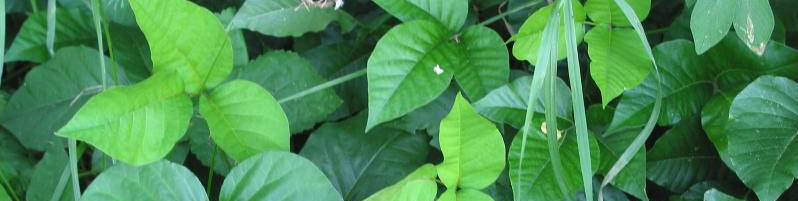
Poisonous Plants
Plants are a common cause of poisoning. Both indoor and outdoor plants can be poisonous. Even plants thought to be non-poisonous can cause an upset stomach if eaten.
Following is a list of the most common poisonous plants found in Georgia:
|
American Ivy/Virginia Creeper Anemone Apricot (seeds and pits) Aralia, Ming Azalea/Rhododendron Baneberry Belladonna/Deadly Nightshade Birch Tree Bird of Paradise Bittersweet/Woody Nightshade Bleeding Heart/Dicentra Boxwood Buckeye/Horse Chestnut Burning Bush/Euonymus Bursting Heart/Euonymus Caladium Candelabra Cactus Cape Gooseberry/Chinese Lantern/Winter Cherry Castor Oil Plant/Castor Bean Cedar Tree Cherry, Laurel, Black Chinaberry Chinese Lantern/Cape Gooseberry/Winter Cherry Choke Cherry Chrysanthemum Clematis Crown of Thorns/Euphorbia Cyclamen Daffodil/Jonquil/Narcissus Deadly Nightshade/Belladonna Devil's Ivy/Pothos Dicentra/Bleeding Heart Dieffenbachia/Dumb Cane |
Elder (bark, shoots, leaves, roots, unripe berries) Elephant’s Ear/Philodendron English Ivy Eucalyptus (dried) Euphorbia/Crown of Thorns Euonymous Flowering Tobacco Four O’clock Foxglove Gladiola (bulb) Holly (berries, leaves) Horse Chestnut/Buckeye Hyacinth Amaryllis Hydrangea Iris Ivy (Devil's, American, English) Jasmine, Yellow Carolina Jequirity/Rosary Pea Jerusalem Cherry Jimsonweed Jonquil/Daffodil/Narcissus Juniper (berries) Lantana Larkspur Laurel Ligustrum/Wild Privet Lily of the Valley Mistletoe Monkshood Morning Glory (seeds) Mulberry (leaves, bark, sap) Mushrooms Narcissus/Daffodil/Jonquil |
Nightshade Oak Tree (leaves, acorns) Oleander Pansy (seeds) Peace Lily Peach (seeds and pits) Pencil Cactus Peony Periwinkle/Vinca Philodendron/Elephant's Ear Plum (seeds and pits) Poison Hemlock Poison Ivy, Oak, Sumac Pokeweed/Pokeberry Poppy Potato (leaves, all green parts) Pothos/Devil’s Ivy Rhododendron/Azalea Rosary Pea/Jequirity Split Leaf/Philodendron Sweet Pea (seeds) Sweet William Tomato (stems, leaves) Vinca/Periwinkle Virginia Creeper/American Ivy Water Hemlock Wild Privet/Ligustrum Winter Cherry/Cape Gooseberry/ Chinese Lantern Wisteria Woody Nightshade/Bittersweet Yarrow Yew |
|
Tips to Prevent Plant Poisoning: |
|
 |
Know the names of all the plants in your home and yard. |
|
|
Label all plants with their names so you can identify a plant if it is eaten. |
|
|
Keep house plants, seeds, and bulbs out of the reach of children and pets. |
|
|
Do not eat wild plants or mushrooms; cooking poisonous plants does not make them safe to eat. |
|
|
Remove mushrooms growing in your yard and throw them away in a covered garbage can. |
|
|
Teach your children to never put any part of a plant into their mouths. |
|
|
If you suspect a plant poisoning, remove any plant material from the victim’s mouth and call the Georgia Poison Center at 1-800-222-1222 or 404-616-9000. |